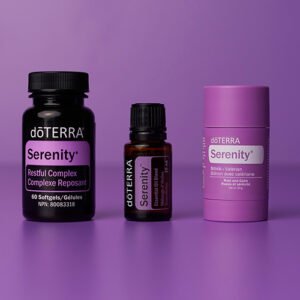
Essential oils are concentrated extracts derived from plants, carefully obtained to preserve their natural aroma and beneficial properties.
In this space, we gently explore what essential oils are, how they come to life, and how they can support a more intentional and natural way of living.
What Are Essential Oils Made From?
Essential oils are derived from different parts of plants, each carrying its own natural essence and character.
- Flowers (lavender, chamomile)
- Leaves (eucalyptus, peppermint)
- Bark (cinnamon)
- Roots (ginger)
- Citrus peels (lemon, orange)
The part of the plant used plays a meaningful role in shaping the oil’s aroma, depth, and the way it supports overall well-being.
How Are Essential Oils Made?
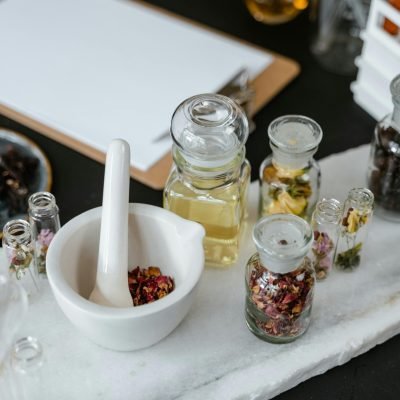
Essential oils are carefully released from plants through a balance of science, timing, and craftsmanship. Most are produced through steam distillation and cold pressing, the methods used for the highest-quality oils.
The journey begins long before extraction. Plants are grown in their ideal environment, harvested at the right time, and handled with care to preserve their natural composition.
Every step, from growth to extraction, is essential in preserving their purity.

Steam Distillation
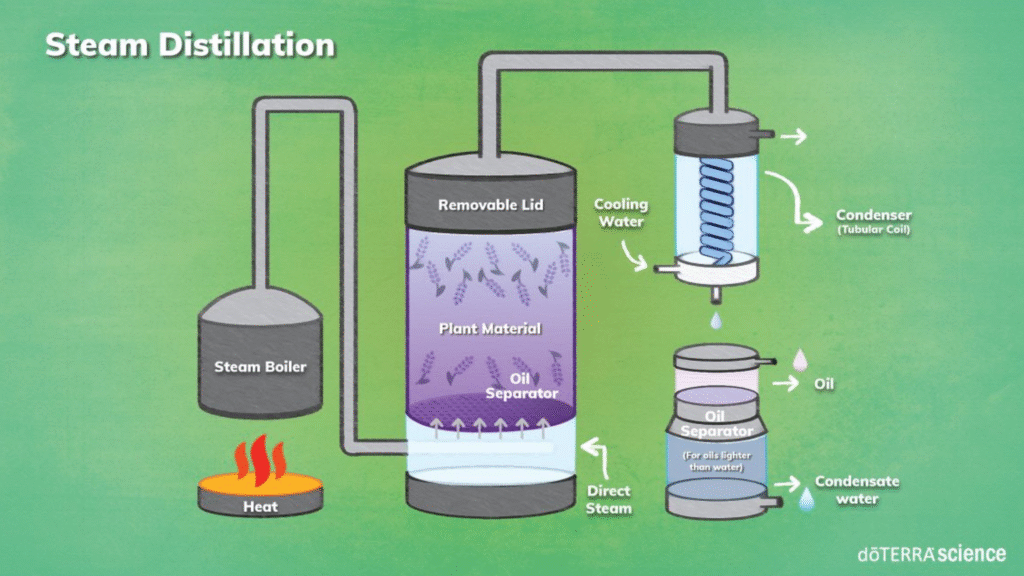
The most common and refined method is steam distillation.
In this process:
- steam passes through the plant material
- it gently releases the plant’s volatile aromatic compounds
- the vapor is cooled and condensed back into liquid
- the essential oil naturally separates from the water
This method allows the most delicate compounds to be preserved without damaging their structure.
However, it requires exact control of:
- temperature
- pressure
- time
Even small variations can alter the oil’s chemical profile and effectiveness.
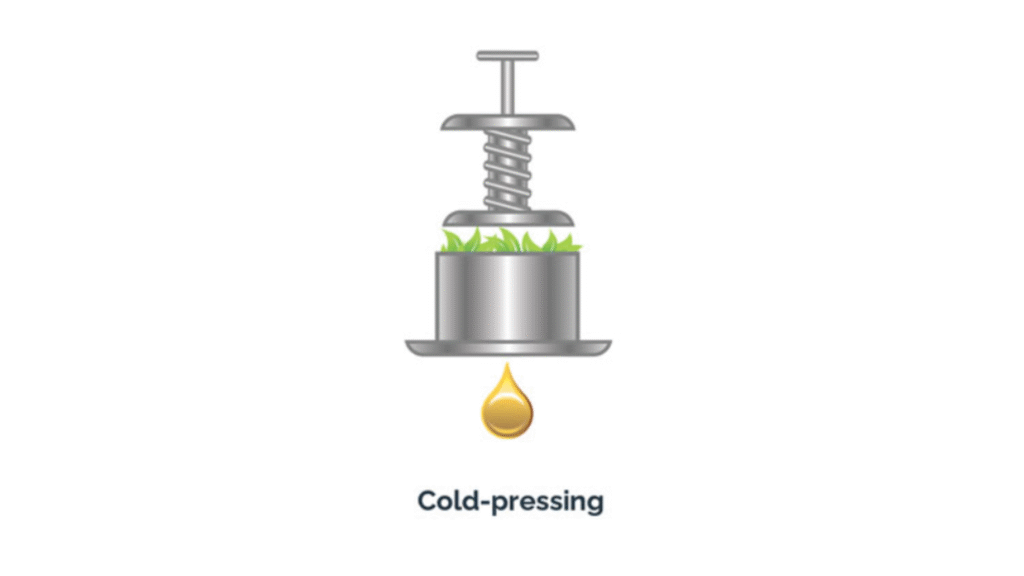
Cold Pressing (For Citrus Oils)
For citrus oils like lemon and orange, a different and more gentle method is used.
Through cold pressing, the oil is released directly from the peel without heat, preserving its fresh, vibrant, and energizing aroma.
This is what gives citrus oils their bright and uplifting presence, making them a favorite for refreshing and energizing daily routines.
How Do Essential Oils Work?
Essential oils work through a subtle and powerful connection between the body, the mind, and the senses.
They interact with us in two primary ways, gently influencing how we feel, think, and experience the present moment.
Aromatic Use
When inhaled, essential oils travel through the olfactory system and reach the limbic system, the part of the brain deeply connected to emotions, memory, and mood.
This is why a single scent can shift how you feel, bringing a sense of calm, clarity, or renewed energy almost instantly.

Topical Use
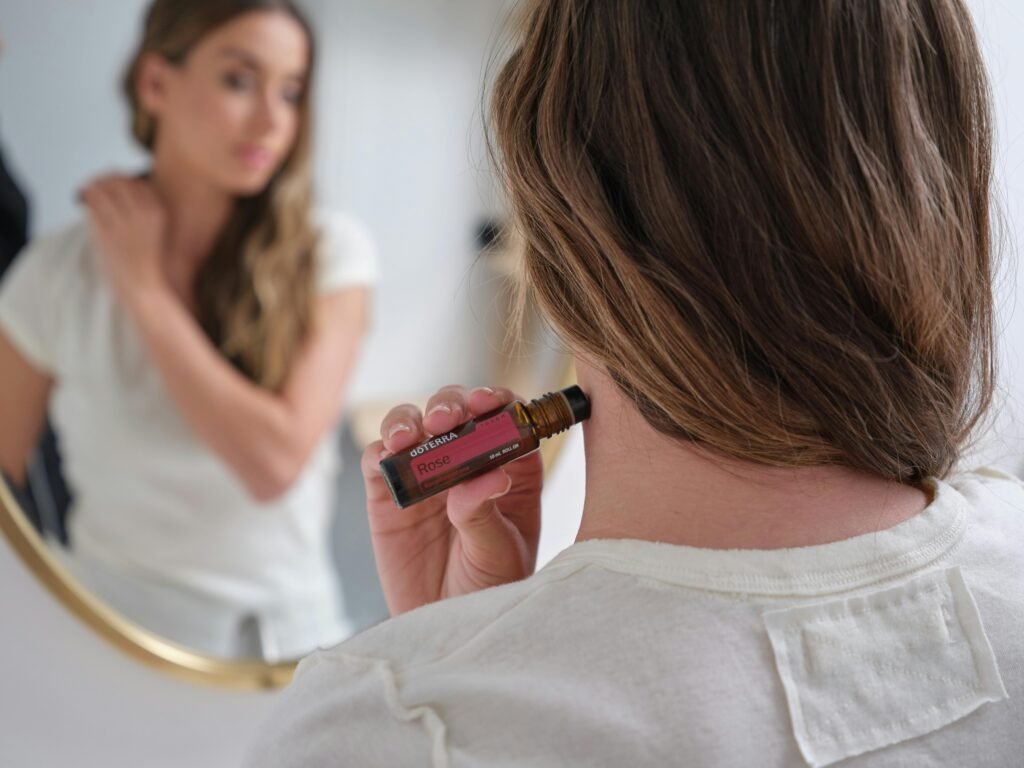
When applied to the skin, and properly diluted, essential oils are absorbed and interact with the body on a deeper level.
They become part of a more intentional routine, supporting both physical and emotional well-being through consistent and mindful use.
Benefits of Essential Oils
Essential oils are widely used to support both physical and emotional well-being, offering a natural way to reconnect with the body and mind.
- Relaxation and stress relief
- Better sleep
- Mental clarity and focus
- Skin health
- Emotional balance
While they are not a cure-all, essential oils can become a powerful tool when used with intention, helping to bring more awareness and harmony into everyday life.
Common Uses of Essential Oils
Here are some of the most popular ways to use essential oils:
- Diffusers: to create a calming or energizing environment
- Topical application: diluted with a carrier oil
- Baths: for relaxation
Massage: for physical and emotional relief
Are Essential Oils Safe?
Essential oils are natural, but they are also highly concentrated.
Keep these guidelines in mind:
- Always dilute before applying to the skin
- Avoid contact with eyes and sensitive areas
- Use high-quality, pure oils
- Consult a professional if needed
Using essential oils responsibly is key to experiencing their benefits safely.
Essential Oils vs Carrier Oils
Understanding the difference between essential oils and carrier oils is essential for using them safely and effectively.
Essential Oils
Are highly concentrated plant extracts that capture the natural aroma and active compounds of the plant. Because of their potency, they are typically used in small amounts and often diluted before applying to the skin.
Carrier Oils
n the other hand, are gentle, plant-based oils such as coconut or jojoba. They are used to dilute essential oils, helping to safely deliver them to the skin while also providing their own nourishing benefits.

How to Choose High-Quality Essential Oils
Not all essential oils are created equal.
When choosing oils, look for:
- Purity (no synthetic additives)
- Transparent sourcing
- Proper extraction methods
- Trusted brands
Quality plays a major role in effectiveness.
Final Thoughts
Essential oils offer a simple yet powerful way to reconnect with nature and support your well-being.
Whether you’re just getting started or looking to deepen your knowledge, understanding how they work is the first step toward using them with intention.
Related Topics