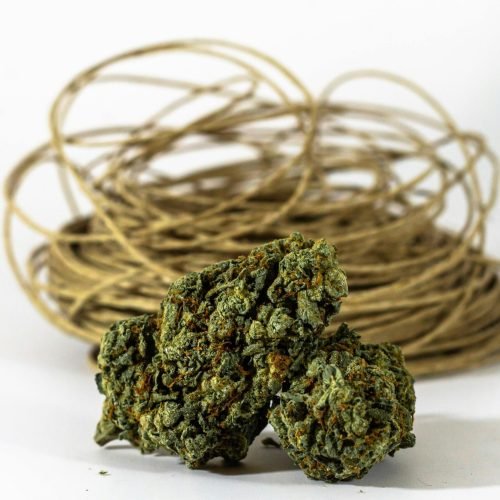
Hemp Today | A Sustainable Alternative to Plastic and Industrial Materials
Thanks to its strong natural fibers and renewable nature, hemp is being explored across industries for products such as bioplastics, packaging, construction materials, and manufacturing components.
Our approach
As the demand for eco-friendly solutions grows, hemp is becoming part of a new generation of materials designed to support more responsible and sustainable production. At Wacannabico, we believe in sharing knowledge about plant-based innovations that can inspire more sustainable choices.
The Power of Sustainable Choices
As industries search for more responsible materials, hemp is gaining attention as a versatile and renewable resource.
Research highlights its fast growth cycle, relatively low agricultural inputs, and ability to absorb significant amounts of carbon dioxide, making it promising for sustainable production.
Hemp in Modern Industrial Innovation
Hemp is gaining attention in modern industries as companies explore more sustainable materials and production methods.
Today, hemp fibers are used in sectors such as textiles, construction, packaging, automotive components, and emerging bioplastics. With its strong natural fibers and renewable growth cycle, hemp offers industries a plant-based option as they look for alternatives to more resource-intensive materials.
Rise of Eco-Friendly Materials
Plastics, synthetic textiles, and other resource-intensive materials have contributed to pollution affecting ecosystems, wildlife, and even human health.
As these challenges become more visible, industries and researchers are exploring alternatives that support more responsible production. Materials such as hemp are gaining attention as part of this shift toward solutions that aim to reduce environmental pressure while supporting a more sustainable future.
Final thoughts
As industries look for more sustainable solutions, the materials used in everyday products are becoming an important part of the conversation. Hemp is gaining attention as a renewable resource that supports innovation in eco-friendly materials and responsible production.
Understanding these alternatives helps encourage more informed choices — shaping a future where sustainability and functionality can grow together.